
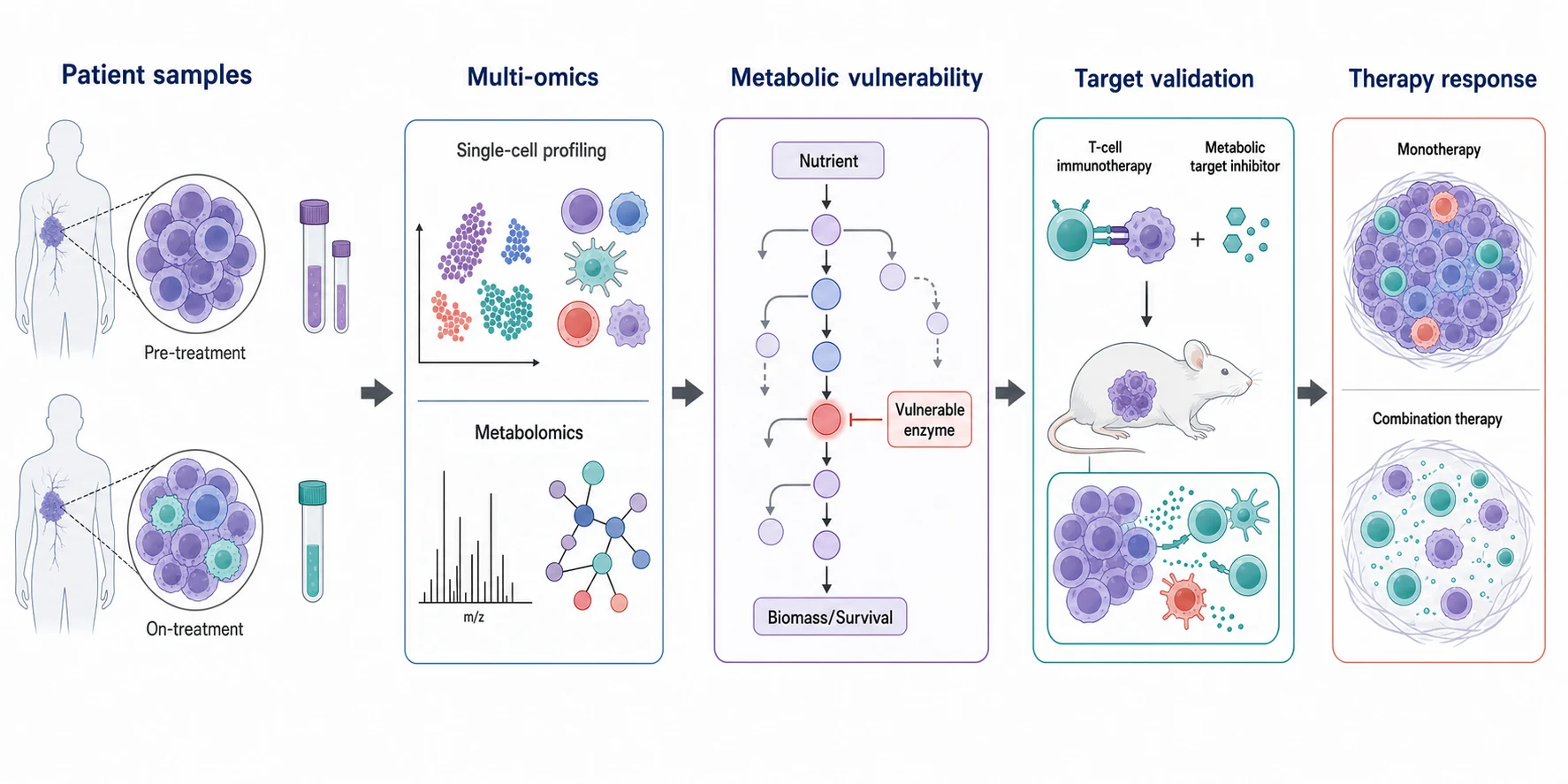
Convert an Abstract into a Visual Story
Extract the problem, method, mechanism, and outcome from your summary, then arrange them into a clear reading path instead of a wall of text.
Use this Graphical Abstract Maker to turn a research abstract into a clear visual story, then refine labels, arrows, layout, and scientific details before export.
Start from a proven visual pattern, then replace the story, terminology, and evidence with details from your own study.
Convert the paper's core logic into a graphical abstract that explains what was studied, how it works, and what readers should remember.
Extract the problem, method, mechanism, and outcome from your summary, then arrange them into a clear reading path instead of a wall of text.
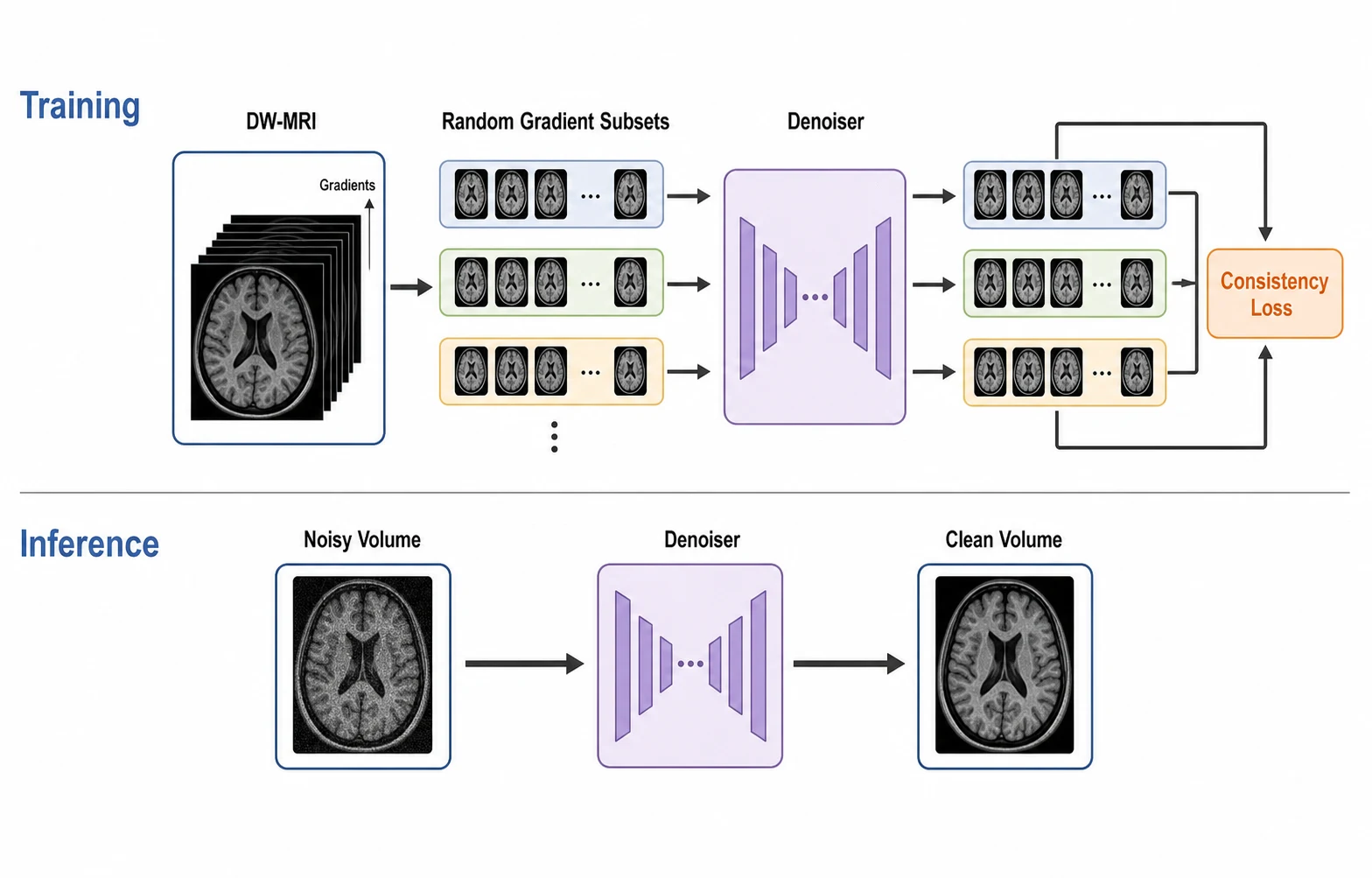
Choose a left-to-right flow, comparison, process, or mechanism layout so arrows and panels communicate real scientific relationships.
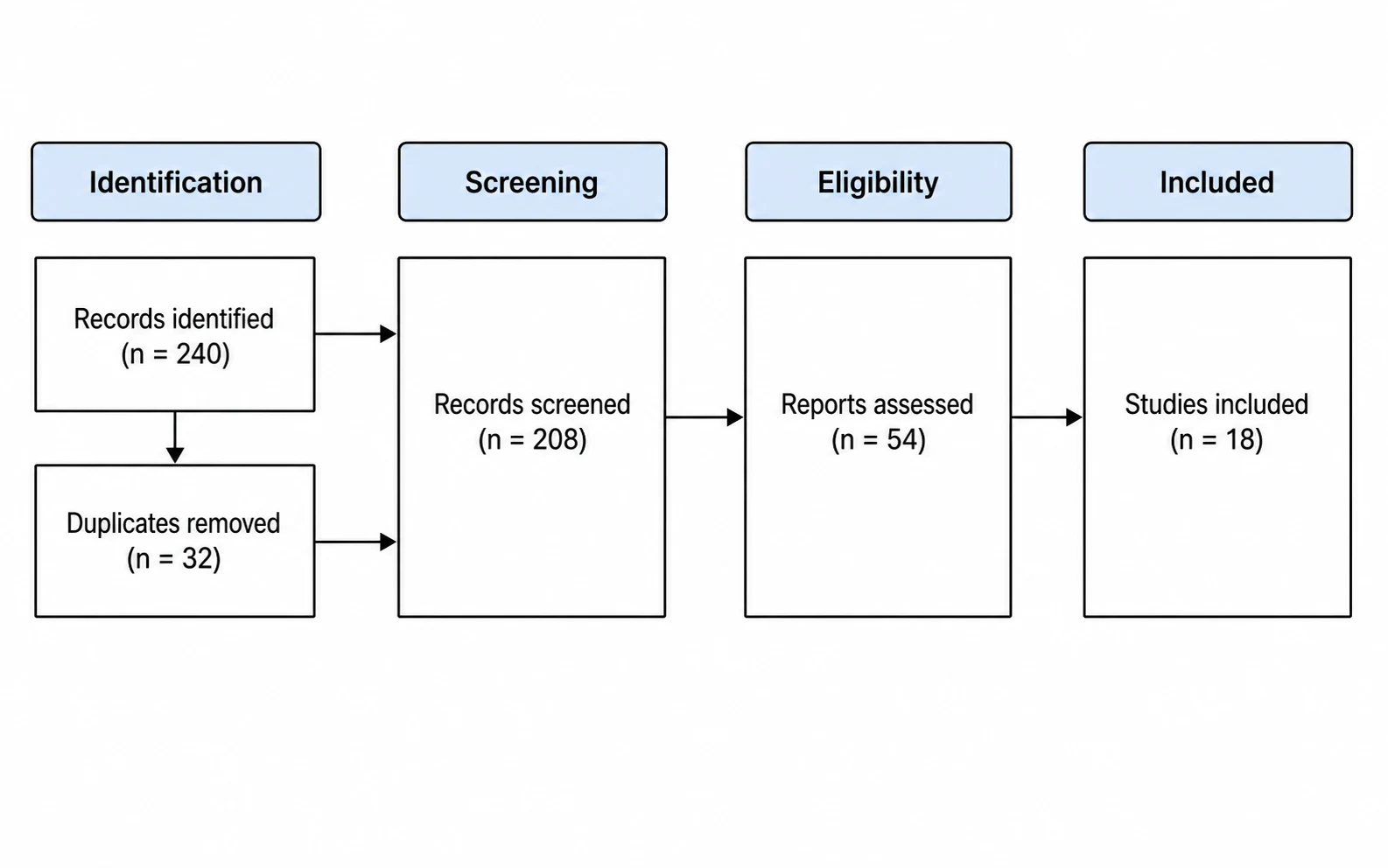
Correct terminology, simplify labels, adjust emphasis, and check every relationship against the paper before using the figure in a journal workflow.
02Graphical Abstract Capabilities
A graphical abstract generator should preserve the useful first draft while giving researchers a clear path to review and revision.
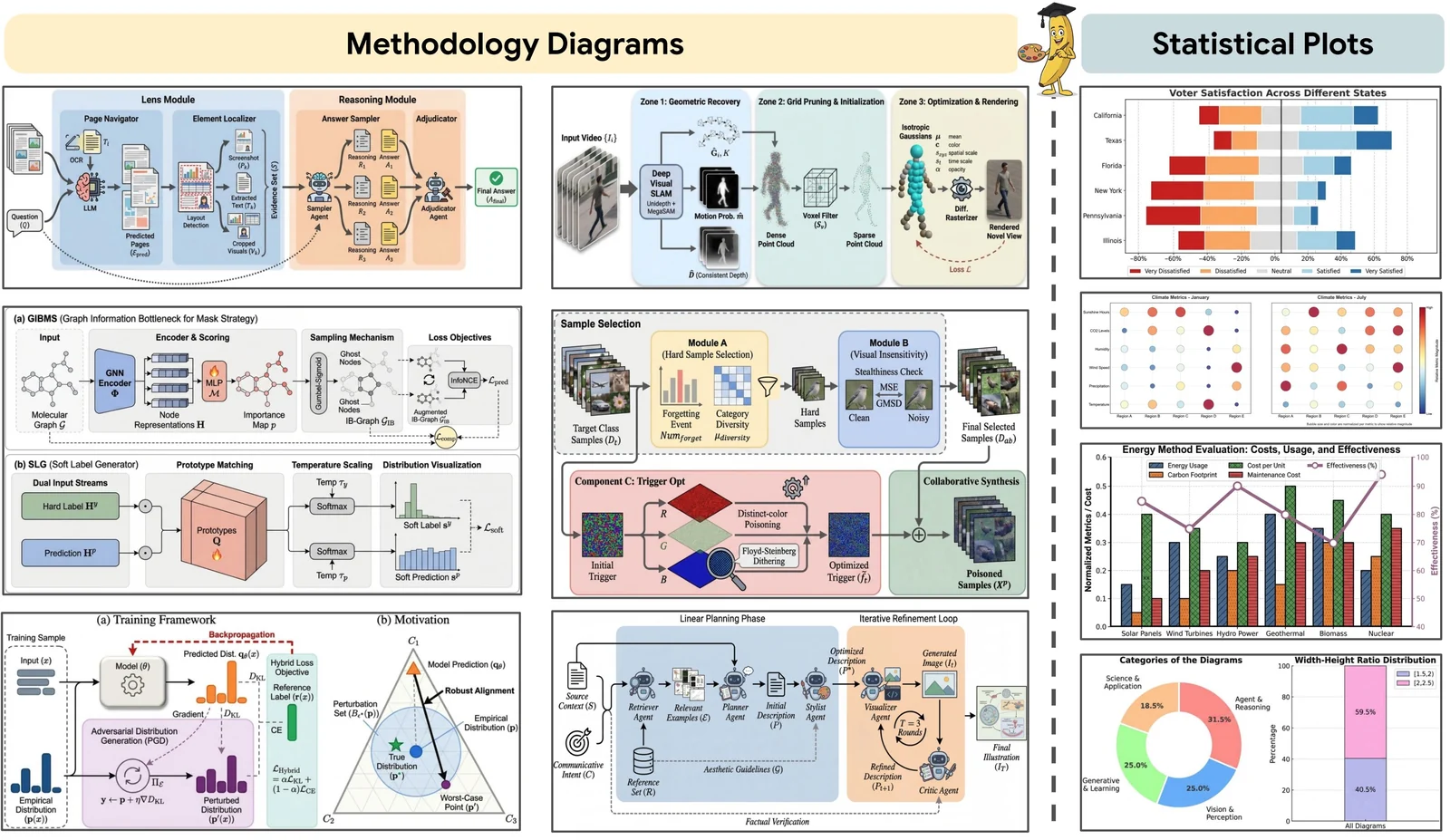
State the research question, inputs, method, mechanism, and outcome in a structured prompt. The generated composition follows that hierarchy instead of filling space with generic scientific imagery.
Open the generated draft in FigEditor and continue with focused revisions. Keep the useful composition while correcting the parts that need scientific or visual work.
Check terminology, claims, disclosure rules, dimensions, legibility, and export requirements for the target journal. AI output remains a draft until a researcher verifies it.
Use an online graphical abstract generator to move from a dense research summary to a readable, reviewed figure without hiding the verification work.
Use a study summary, caption, or structured outline to generate a concrete draft before spending time on manual composition.
Faster First Draft
Frame the study as a process, comparison, mechanism, timeline, or input-to-outcome narrative that readers can scan quickly.
Clear Reading Path
See the credit cost before generation and choose between faster drafting or higher-detail output based on the stage of your work.
Flexible Model Choice
Supply exact short labels and inspect every generated term so the visual stays aligned with the language used in the paper.
Research-Specific Copy
Open the result in the editor, preserve what works, and make focused changes to hierarchy, text, arrows, or visual emphasis.
Editable Workflow
Verify every label, claim, value, causal relationship, and visual implication against the source paper before publication.
Human Verification
Paste a structured research summary, generate the right visual layout, and review the graphical abstract before journal submission.
Provide the problem, method, mechanism, key outcome, and exact terminology. You can also upload reference figures in JPG, PNG, or WebP when visual context matters.
Select an aspect ratio and model, then generate a process, comparison, mechanism, or outcome-driven composition that fits the study.
Open the result in FigEditor, correct labels and relationships, confirm the journal's rules, and export only after the scientific review is complete.
Start with free credits, subscribe for regular figure creation, or purchase a credit pack for your next paper or presentation.
Continue with a related workflow
Choose a closely related FigEditor tool based on the source material, visual structure, or output you need next.
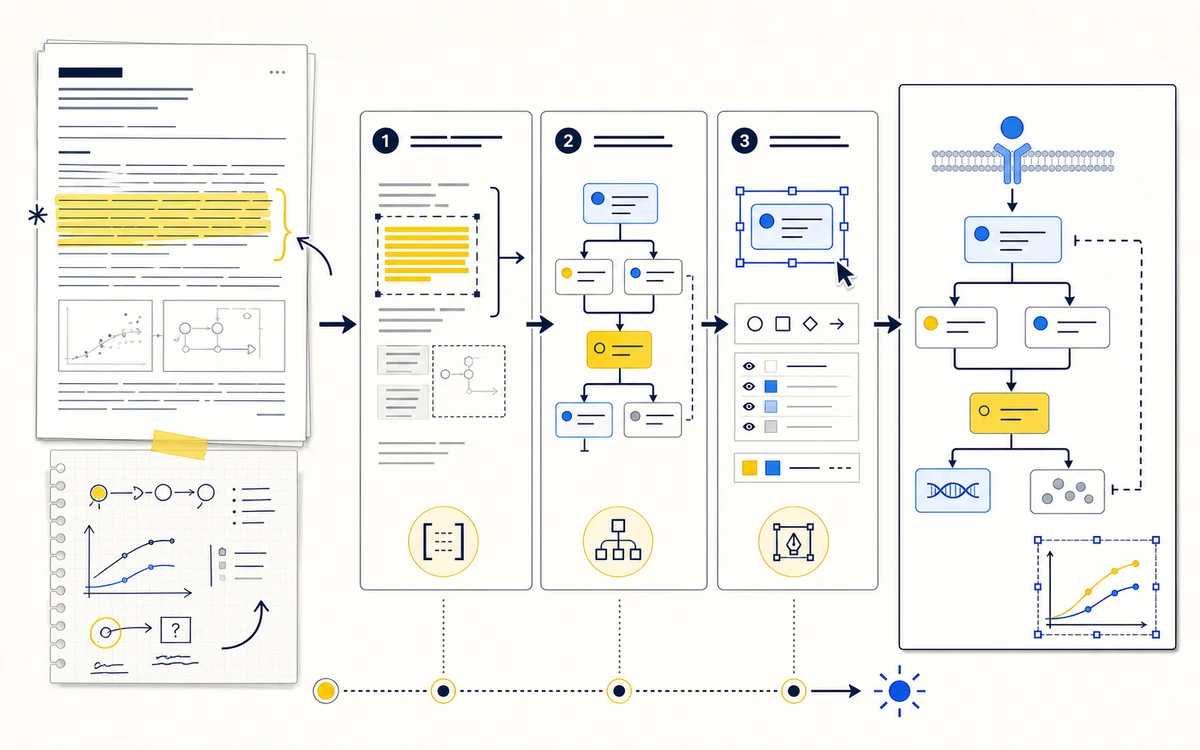
Turn paper text, notes, or a rough idea into an editable, publication-ready scientific figure.
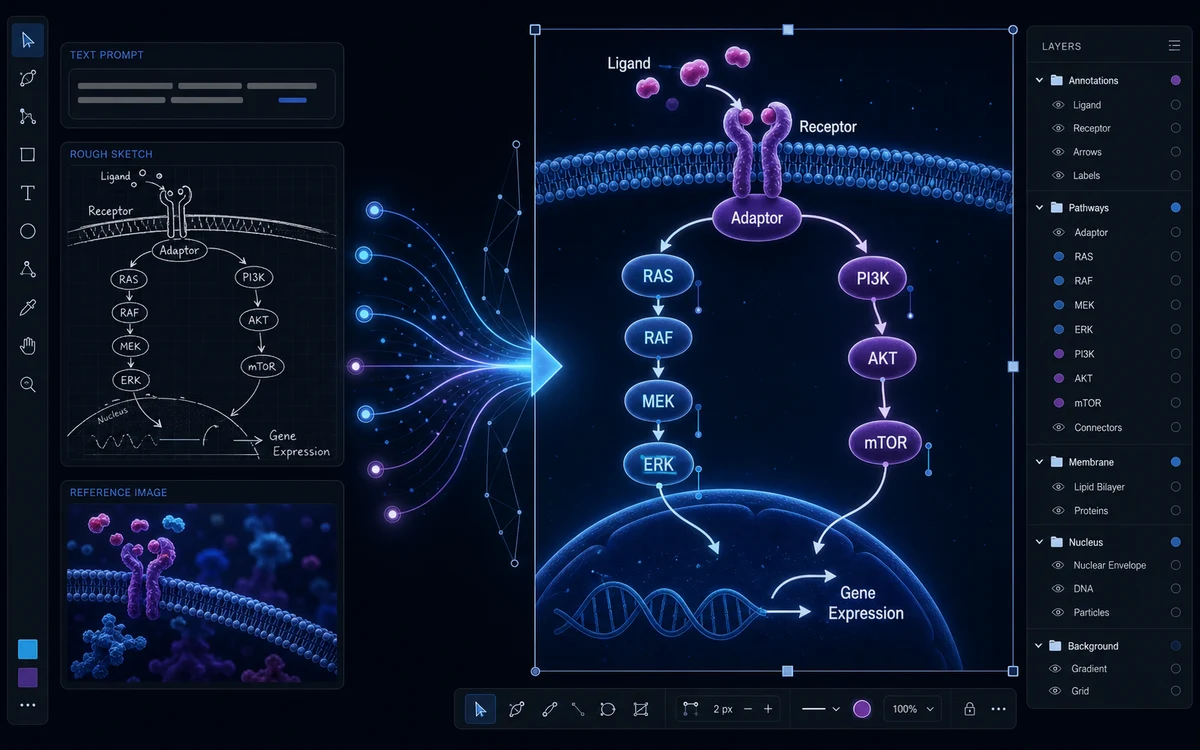
Generate precise scientific illustrations from a prompt, sketch, or reference—then refine them in one workspace.
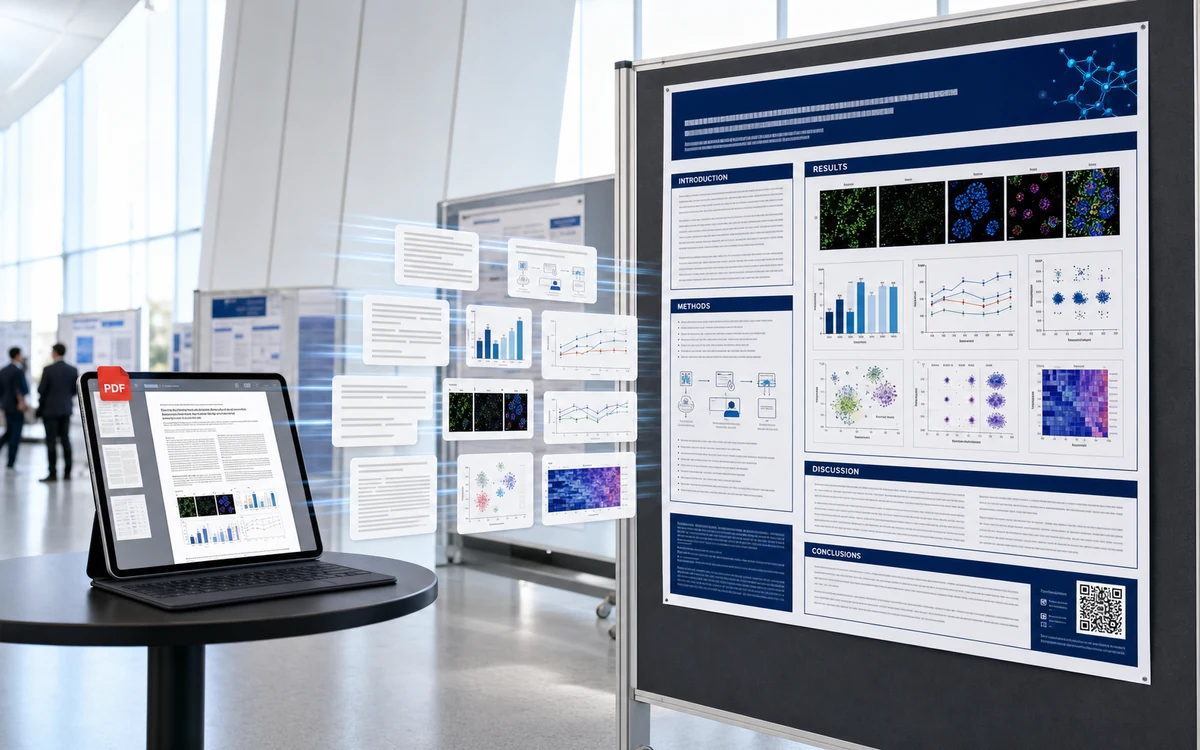
Upload a paper and turn its structure, data, and figures into a conference-ready research poster.
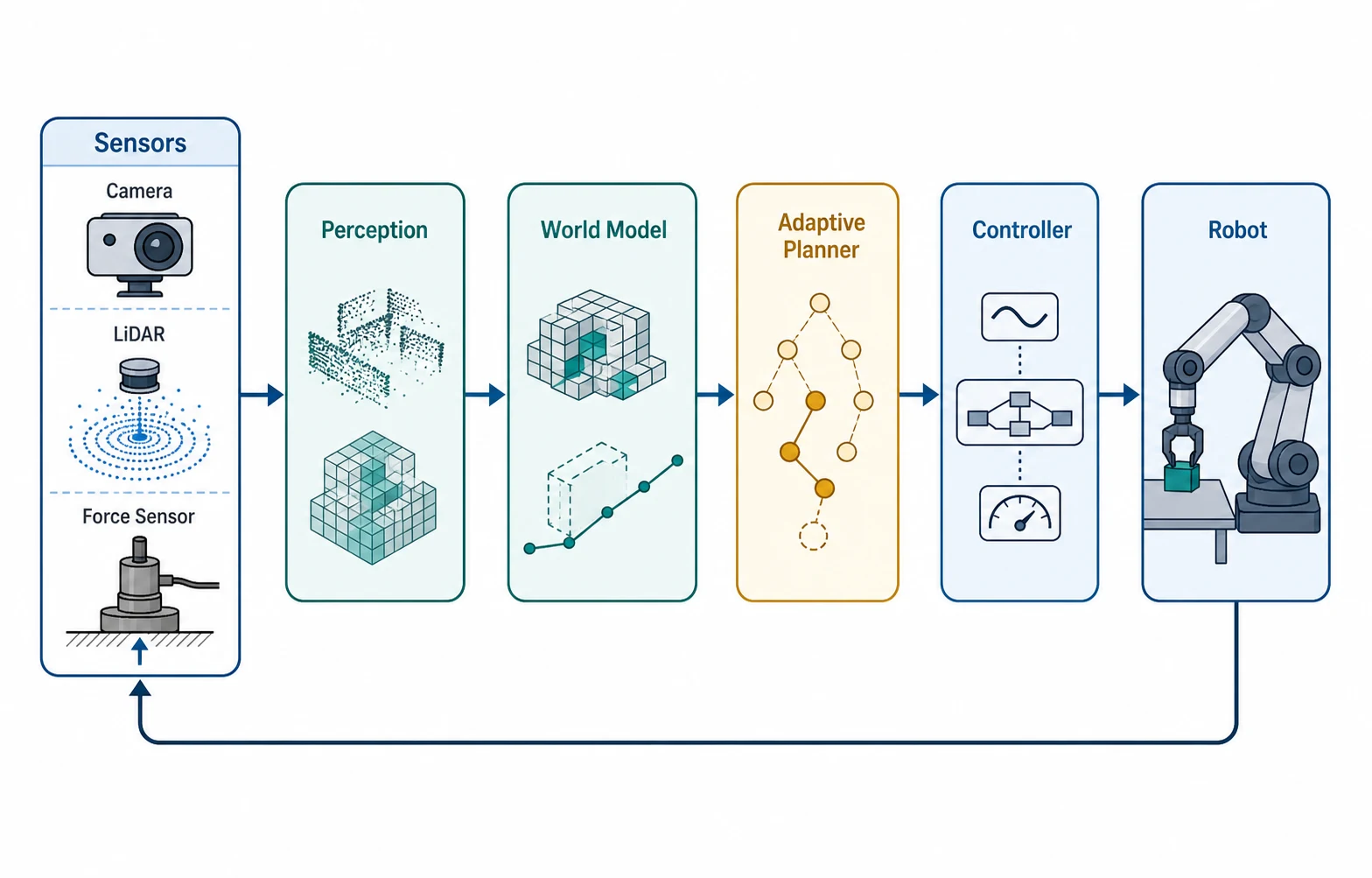
Build clear compositions with strong short-label and diagram rendering.
Practical answers about source material, editing, scientific accuracy, formats, and journal use
Use the Graphical Abstract Maker to structure the paper's core logic, generate a focused draft, and refine every label, arrow, and scientific relationship.
Cancel anytime · Subscription credits are valid for 30 days
For individual researchers creating and refining publication-ready visuals
Included tools & models
Creation tools
 Paper Banana
 AI Scientific Illustration
 Scientific Poster Maker
Image models
 Nano Banana
 Nano Banana 2
 Nano Banana Pro
 GPT Image 2
For frequent research, publishing, and client work with commercial use
Included tools & models
Creation tools
Paper BananaAI Scientific IllustrationScientific Poster MakerImage models
Nano BananaNano Banana 2Nano Banana ProGPT Image 2For labs, teams, and agencies producing scientific visuals at high volume
Included tools & models
Creation tools
Paper BananaAI Scientific IllustrationScientific Poster MakerImage models
Nano BananaNano Banana 2Nano Banana ProGPT Image 2