
Create a Thesis or Dissertation Framework
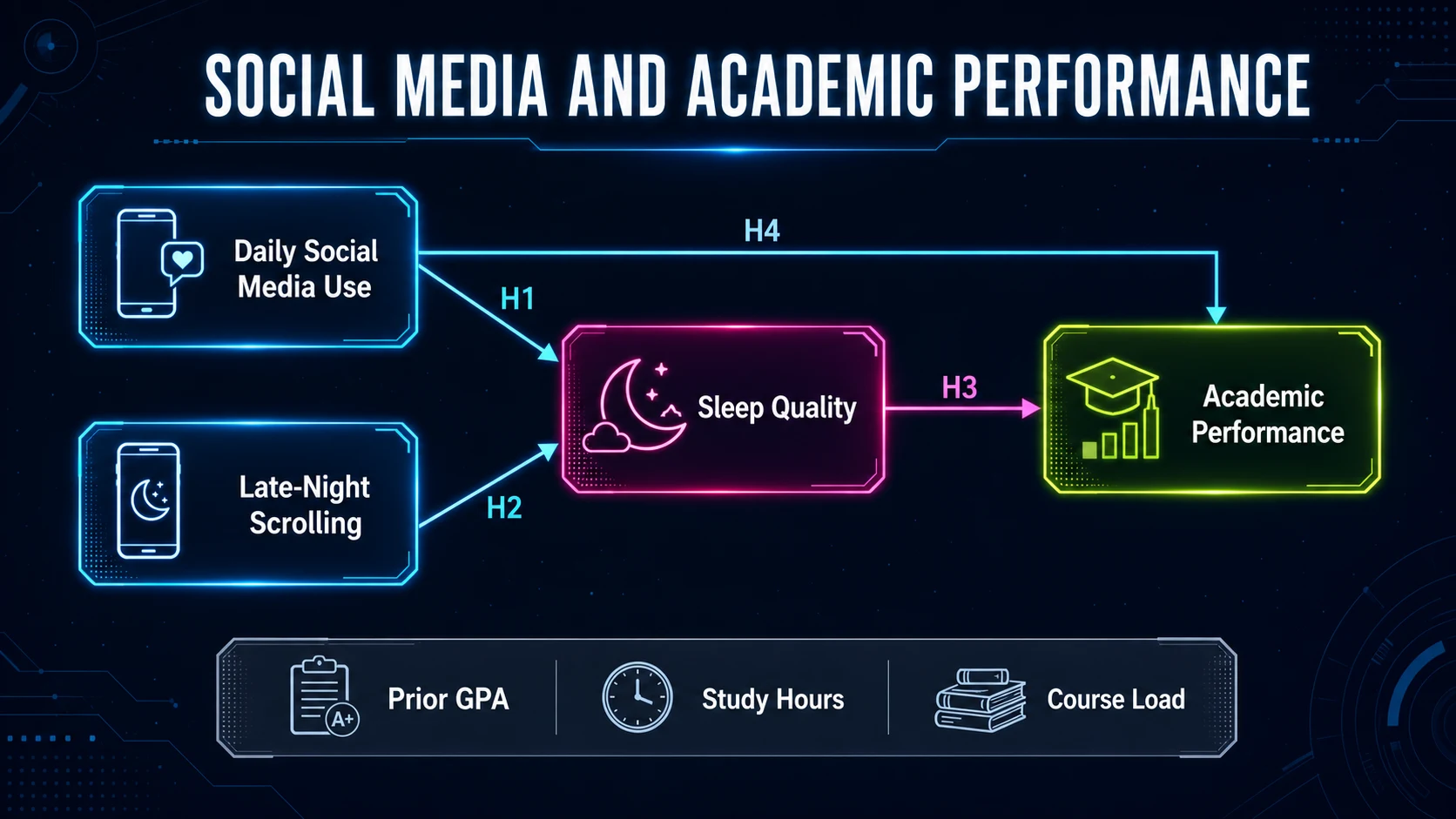
Turn the variables and expected relationships in your proposal into a diagram that your supervisor or committee can review before you finalize the methodology.
Use the Conceptual Framework Generator to map variables, mediators, moderators, controls, and hypothesis paths for a thesis, dissertation, proposal, or paper. Then refine every label and arrow in FigEditor.
Start from a research model that matches your study, then replace every variable, relationship, and hypothesis with your own verified framework.
Move from a paragraph of research logic to a framework that makes variables, themes, and expected relationships easier to review.
Turn the variables and expected relationships in your proposal into a diagram that your supervisor or committee can review before you finalize the methodology.
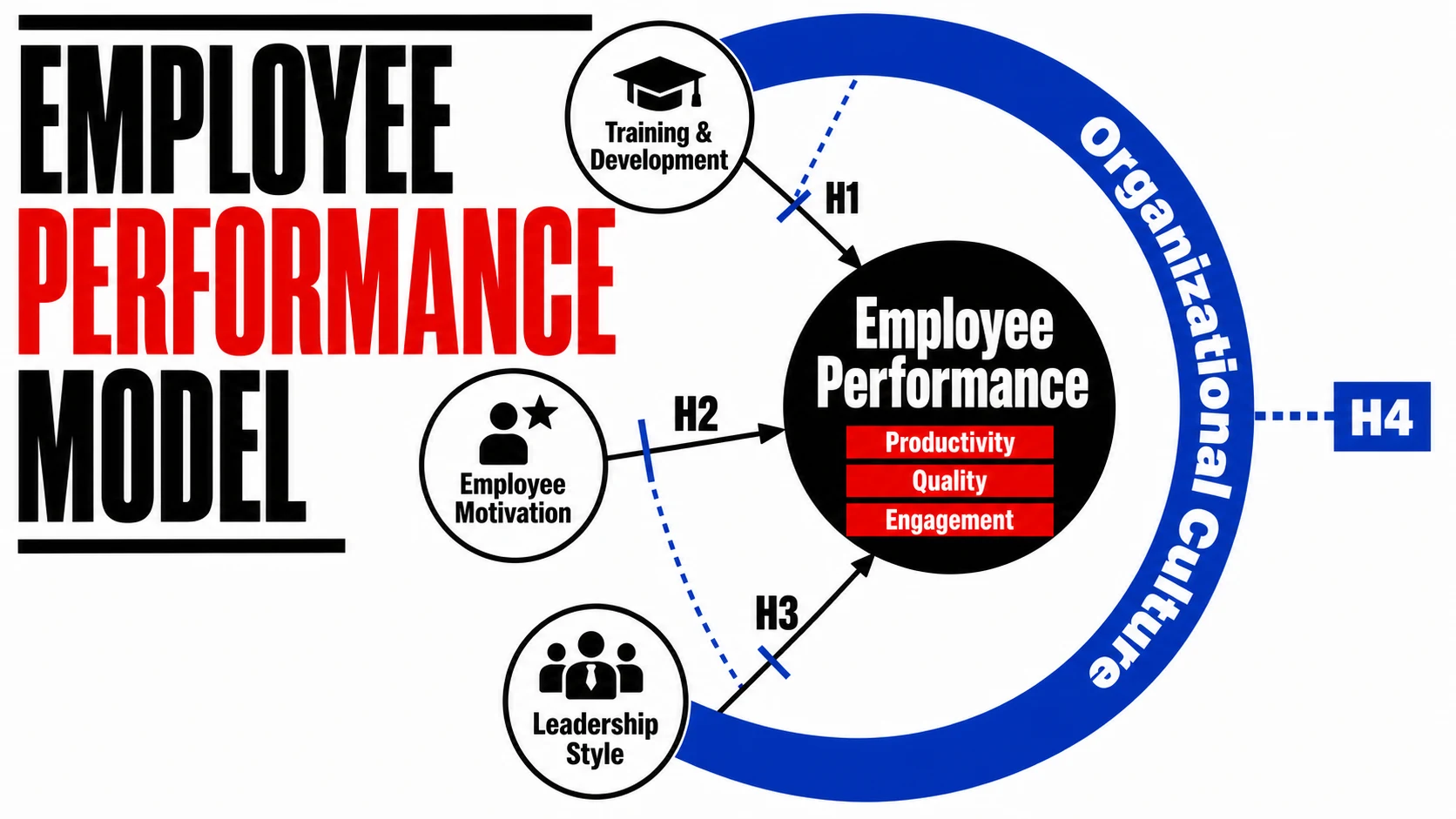
Separate direct, indirect, and moderating relationships so every arrow has a clear role and every hypothesis can be checked against the study design.
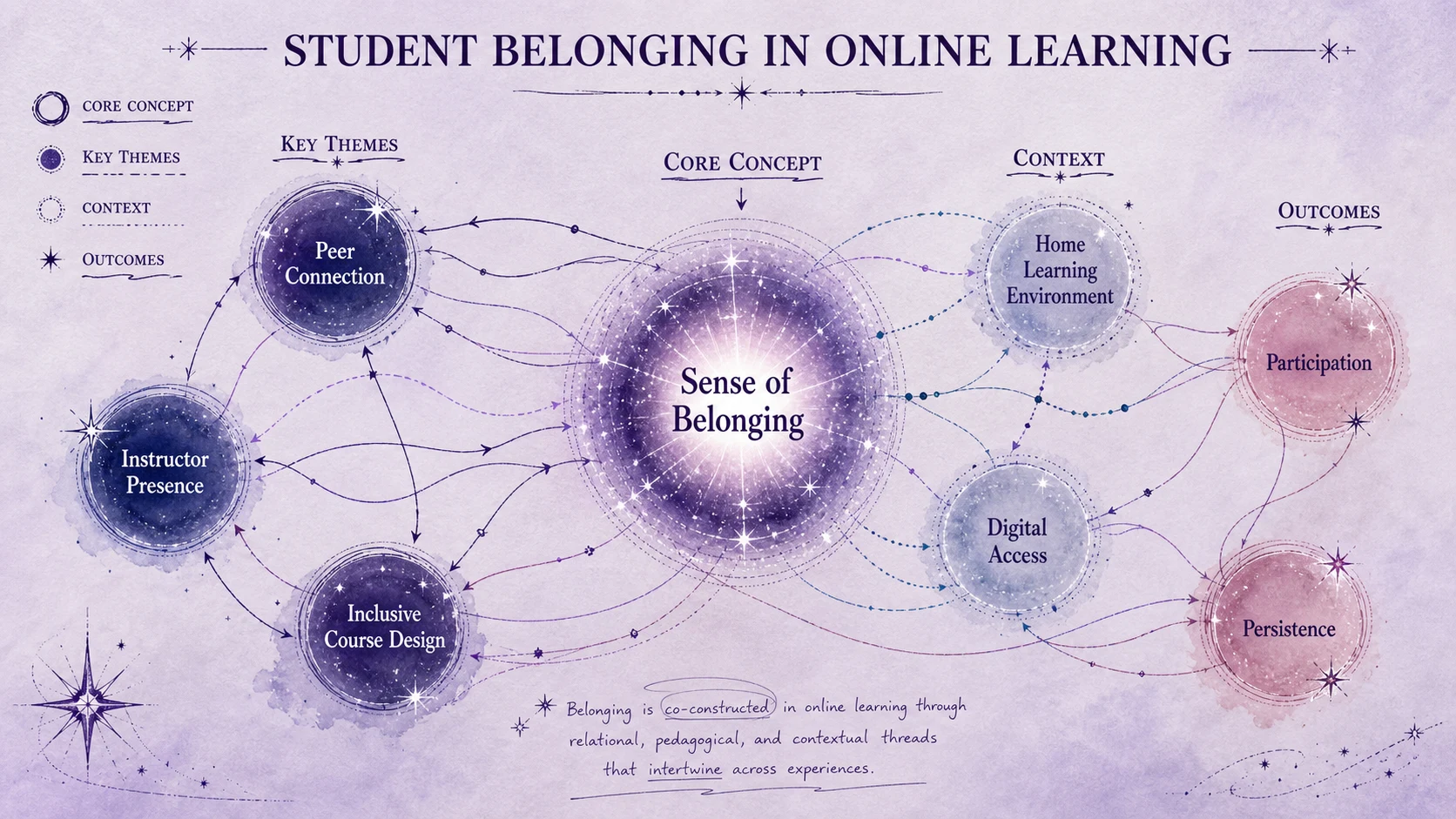
Build a thematic framework around a core phenomenon without forcing qualitative research into an inappropriate independent-dependent variable model.
02Conceptual Framework Capabilities
A useful conceptual framework generator should make the research logic visible—not hide it inside a decorative AI image.
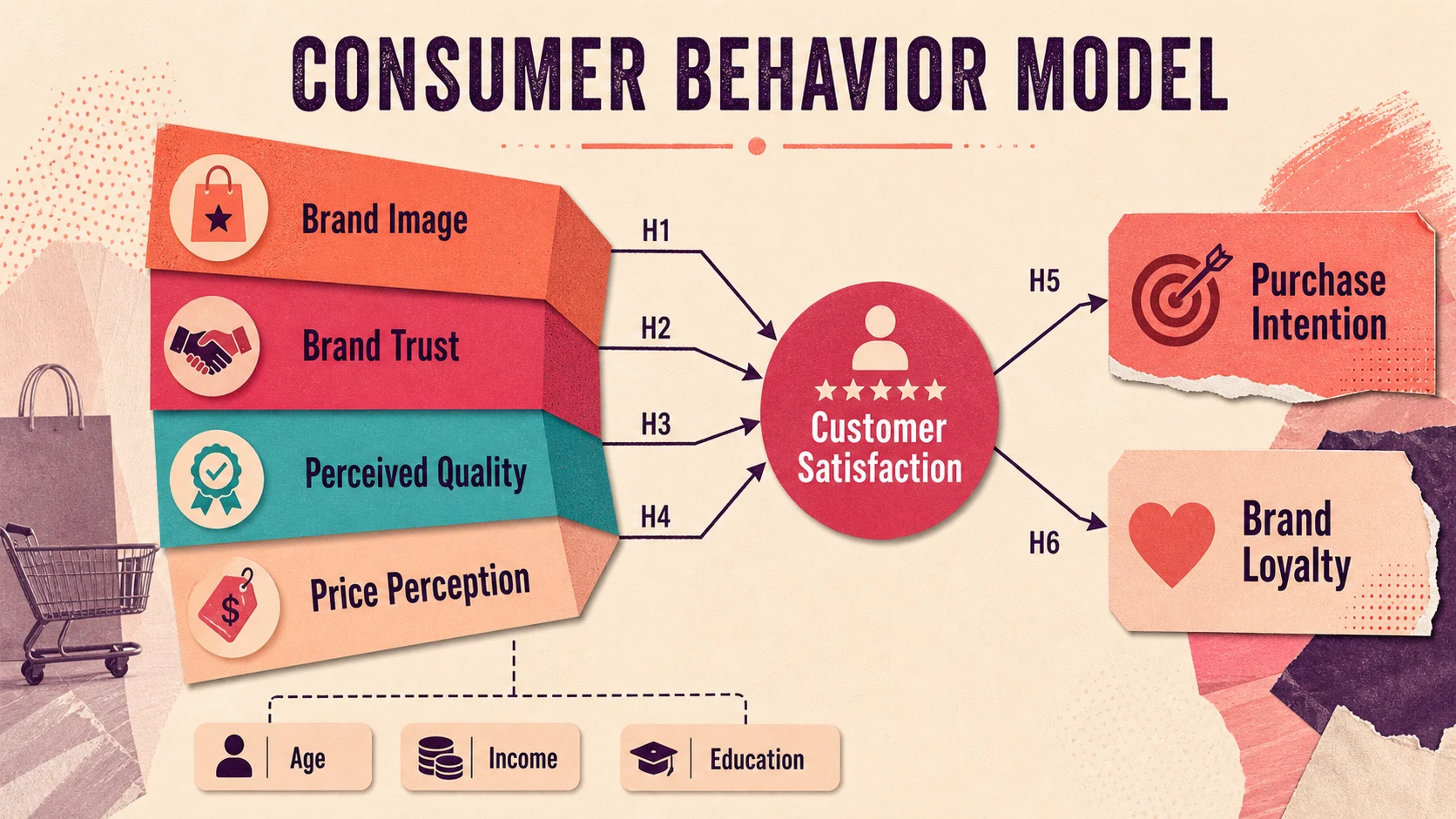
Name independent, dependent, mediating, moderating, and control variables in the prompt. The draft groups them visually so missing or misplaced roles are easier to catch.
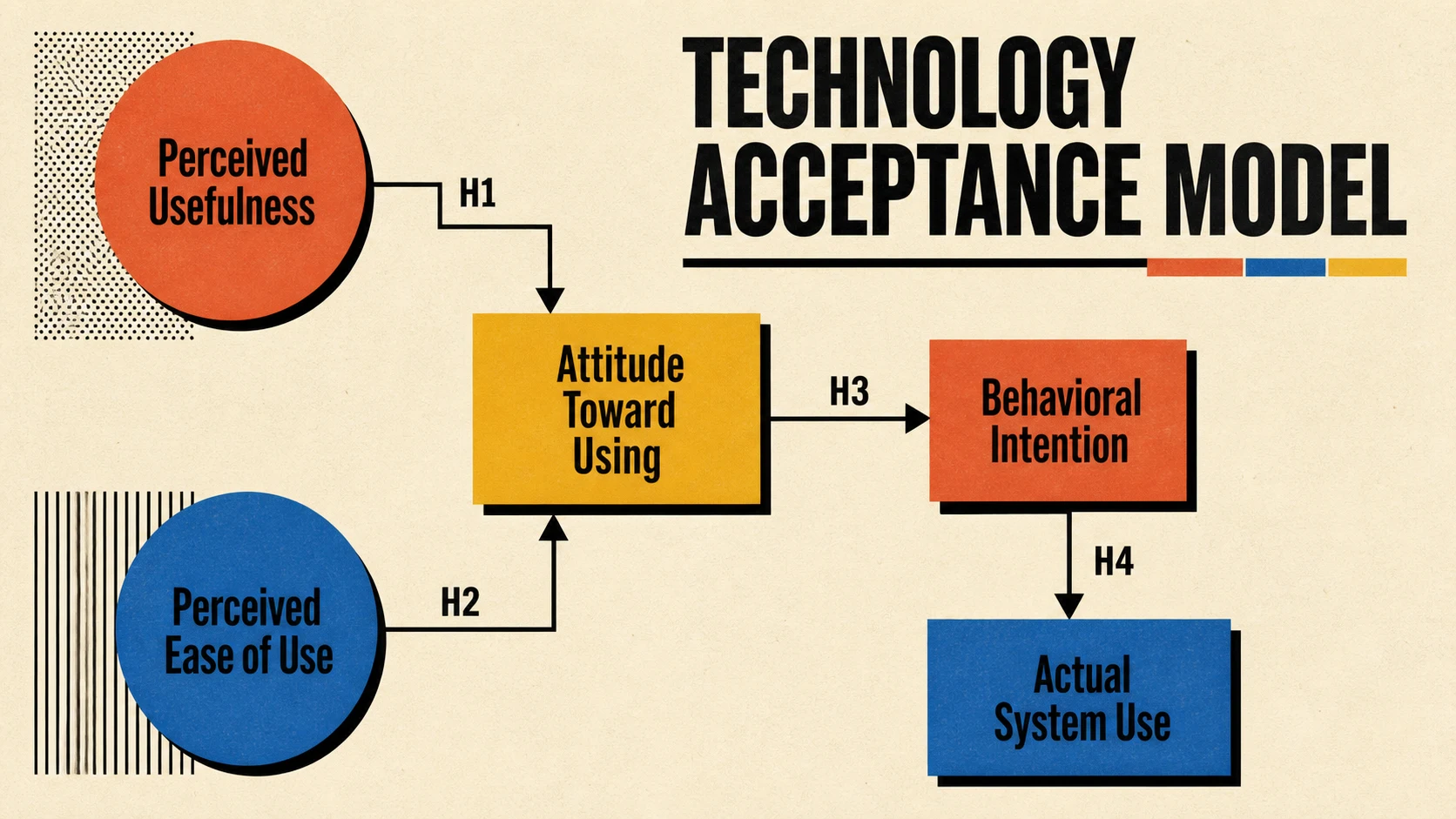
Specify H1, H2, and later paths together with their source and target constructs. Clear arrow labels make the model easier to discuss with supervisors and collaborators.
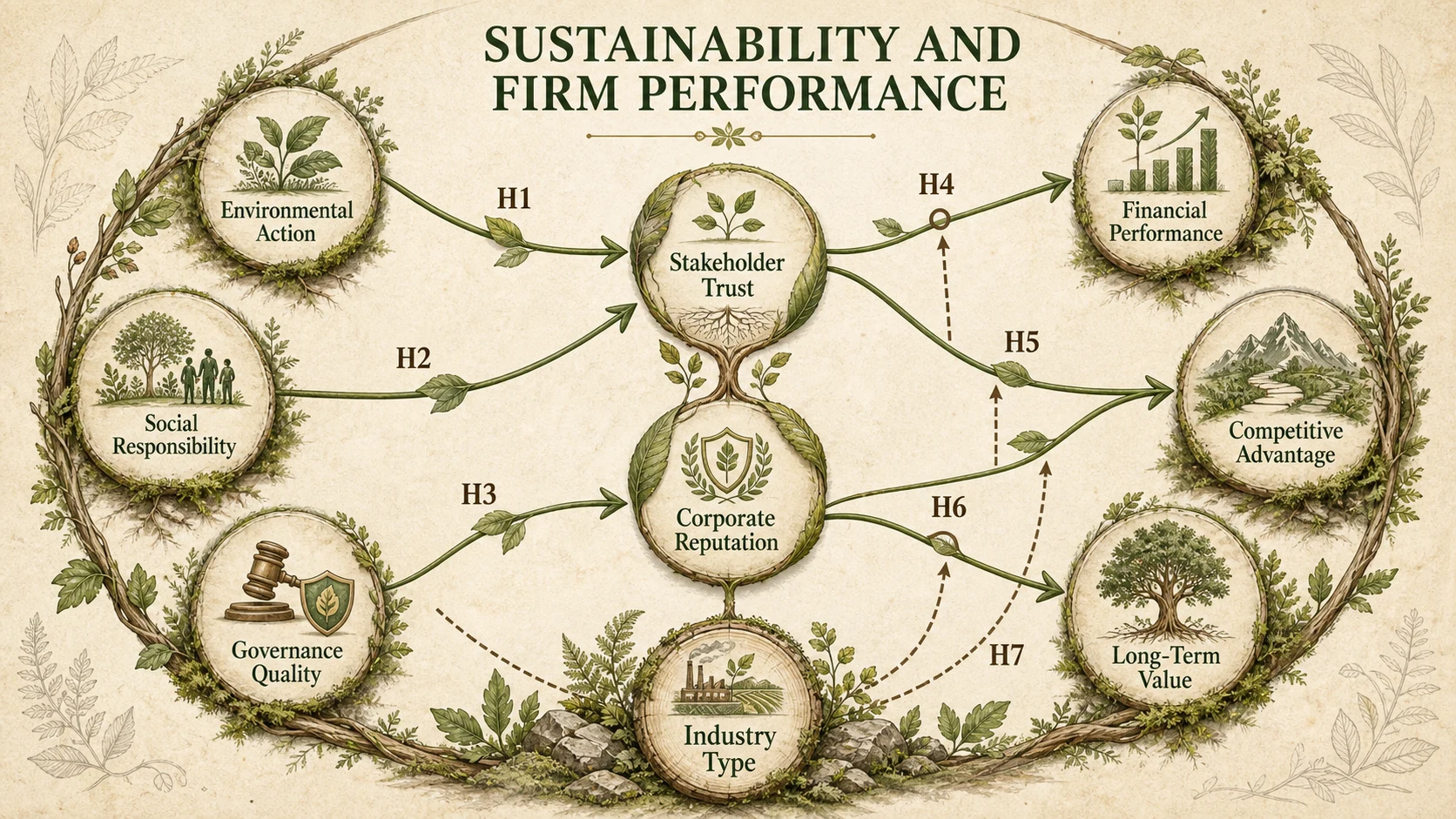
Open the generated draft in FigEditor, correct terminology and visual hierarchy, and verify every relationship against your literature review and research design.
The two terms are related, but they do different jobs. Use the right structure and describe each variable before generating the diagram.
A study-specific map of the variables, concepts, themes, and relationships you plan to examine. It translates your research question into a model for this particular project.
An established theory or set of theories used to explain the phenomenon, such as TAM, TPB, or UTAUT. It provides the scholarly lens behind the study-specific model.
The predictor, exposure, or input expected to influence another construct.
The outcome the study intends to explain, measure, or predict.
The mechanism that helps explain how or why one variable affects another.
A condition that changes the strength or direction of a relationship.
A conceptual framework is both a diagram and a written explanation of the constructs and relationships your study will examine. Build it before data collection, then keep its terms consistent across the literature review, methods, results, and discussion.
In many theses and dissertations, the conceptual framework appears after the research problem and literature review but before detailed methods. It may close the literature review, form a separate chapter, or open the methodology section according to your institution's format.
Define every construct and justify every arrow in the accompanying narrative. The framework should use the same terminology as your research questions, hypotheses, measures, interview guide, analysis plan, and later interpretation of findings.
A polished diagram is not automatically a defensible research model. Review the logic before using a generated framework in academic work.
Create a faster first draft while keeping the researcher responsible for variable definitions, theory, hypotheses, and final verification.
Describe the study in plain language and get a visible model before spending hours arranging boxes and arrows manually.
Faster First Draft
Explain the variables and relationships as you would to a supervisor. Use an example when you need help structuring the prompt.
No Diagram Syntax
Choose the model and resolution that fit the current stage of the study instead of discovering the generation cost after submitting.
Transparent Credits
Provide concise terminology, hypothesis IDs, and directional relationships so the draft stays close to the language of the research proposal.
Research-Specific Labels
Preserve the useful composition and make focused visual corrections to text, arrows, emphasis, spacing, or colors before export.
Editable Drafting Workflow
AI can draft a model, but it cannot prove the theory or causal relationship. Verify every construct, path, and implication before academic use.
Human Verification
Describe the study, generate a readable model, and review every variable and relationship before using it in a thesis or paper.
Enter the research question, independent and dependent variables, mediators, moderators, controls, theory, and any hypothesis labels you have already defined.
Choose a wide aspect ratio for most research models, select an example if useful, and generate a diagram with an unmistakable reading direction.
Open the draft in FigEditor, correct every label and arrow, compare it with the literature review and methodology, and export only after the research logic is verified.
Start with free credits, subscribe for regular figure creation, or purchase a credit pack for your next paper or presentation.
Continue with a related workflow
Choose a closely related FigEditor tool based on the source material, visual structure, or output you need next.
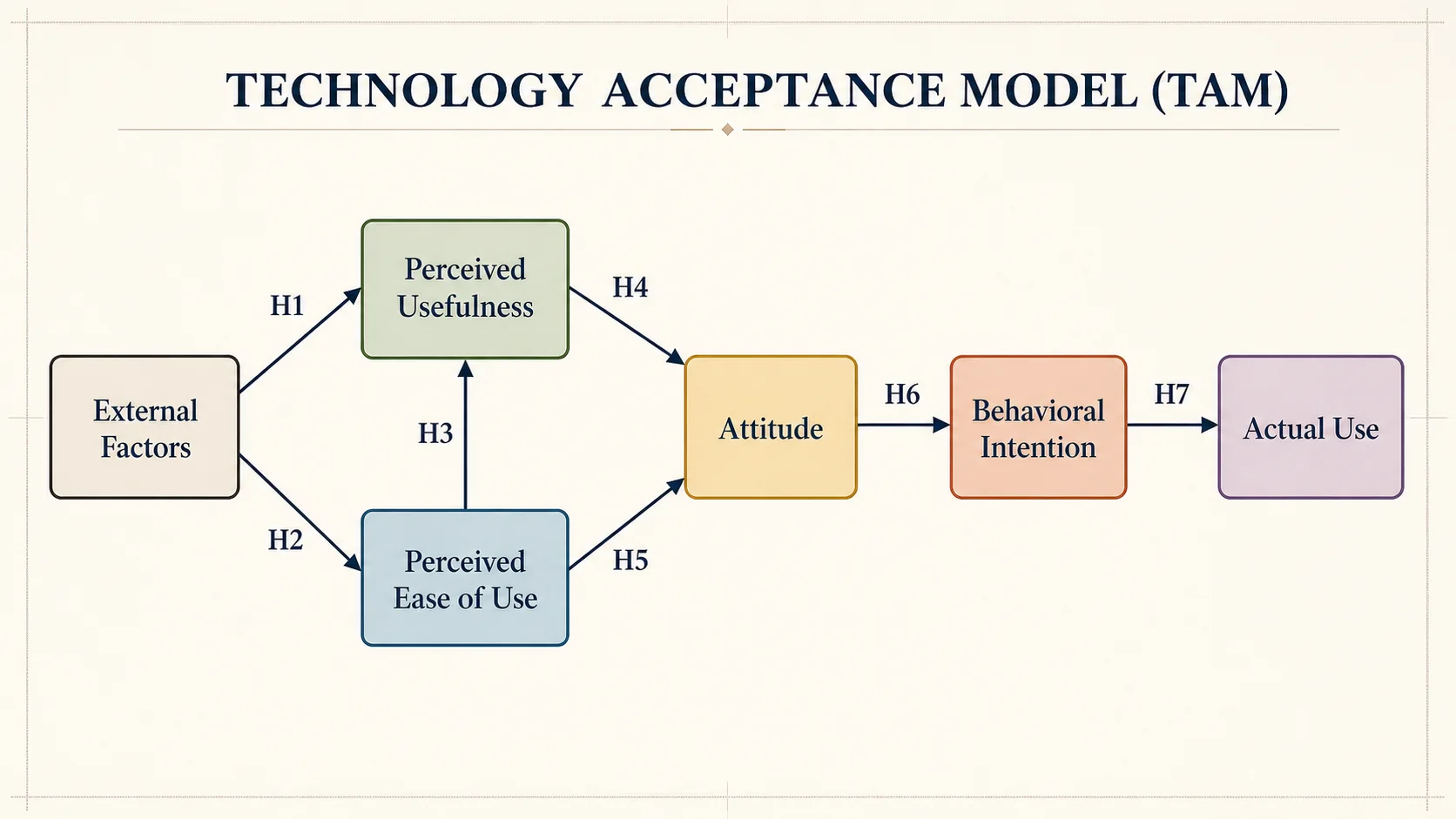
Turn a named theory, its core constructs, and propositions into an editable framework for a thesis or paper.
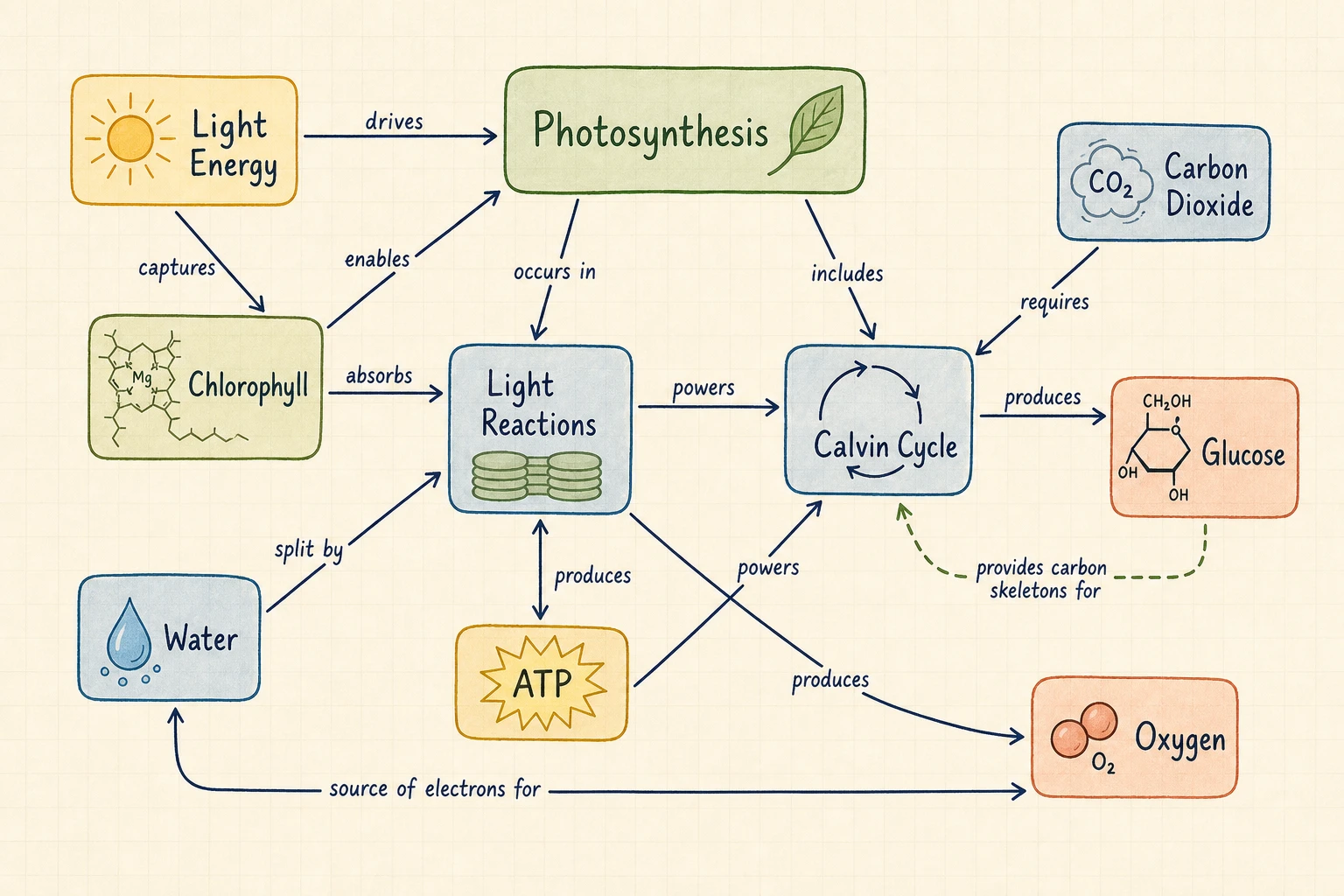
Turn a topic or text into a concept map with labeled relationships, propositions, and cross-links.
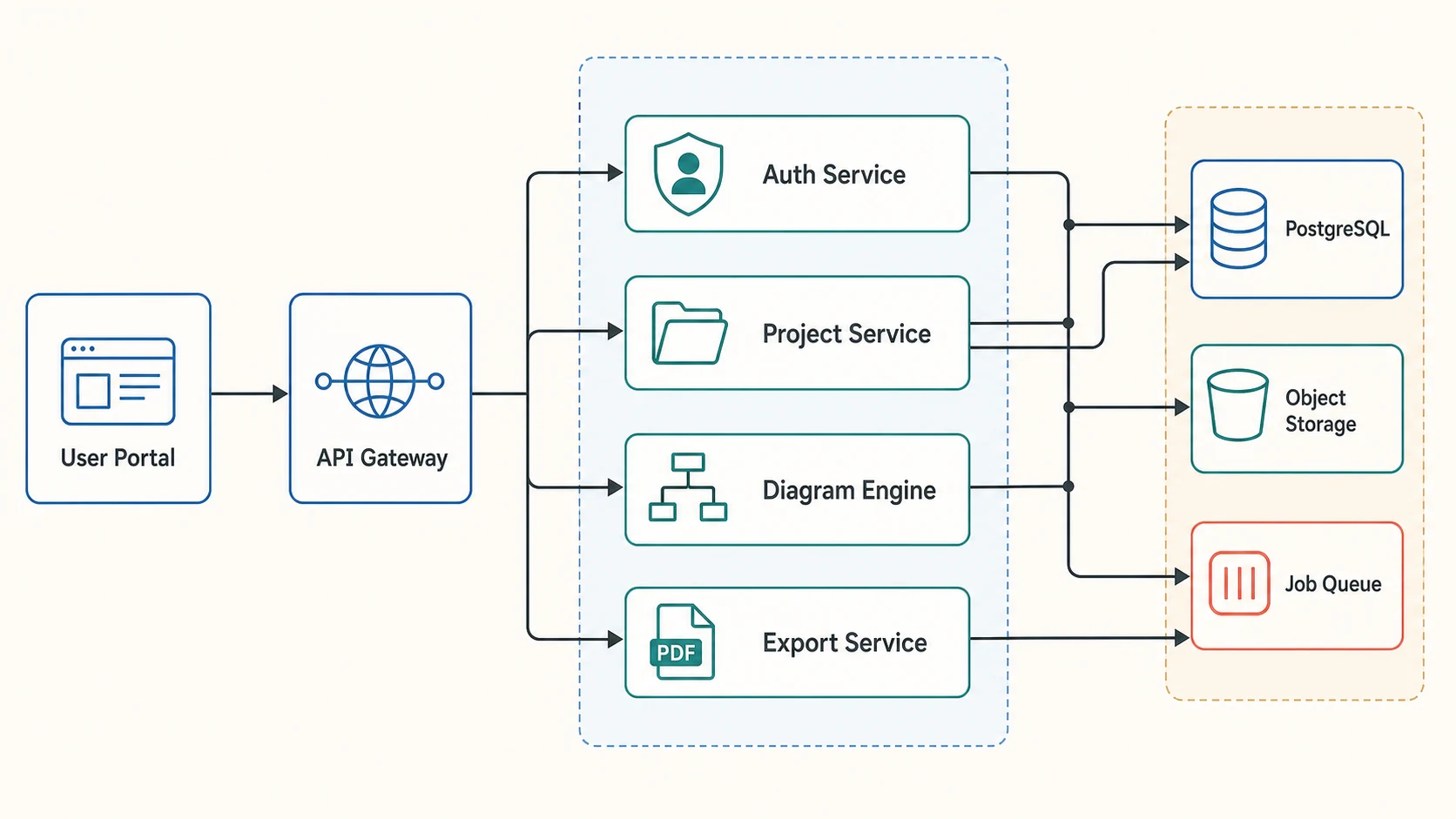
Turn plain text into an editable workflow, study design, or system diagram, then refine every label and connection.
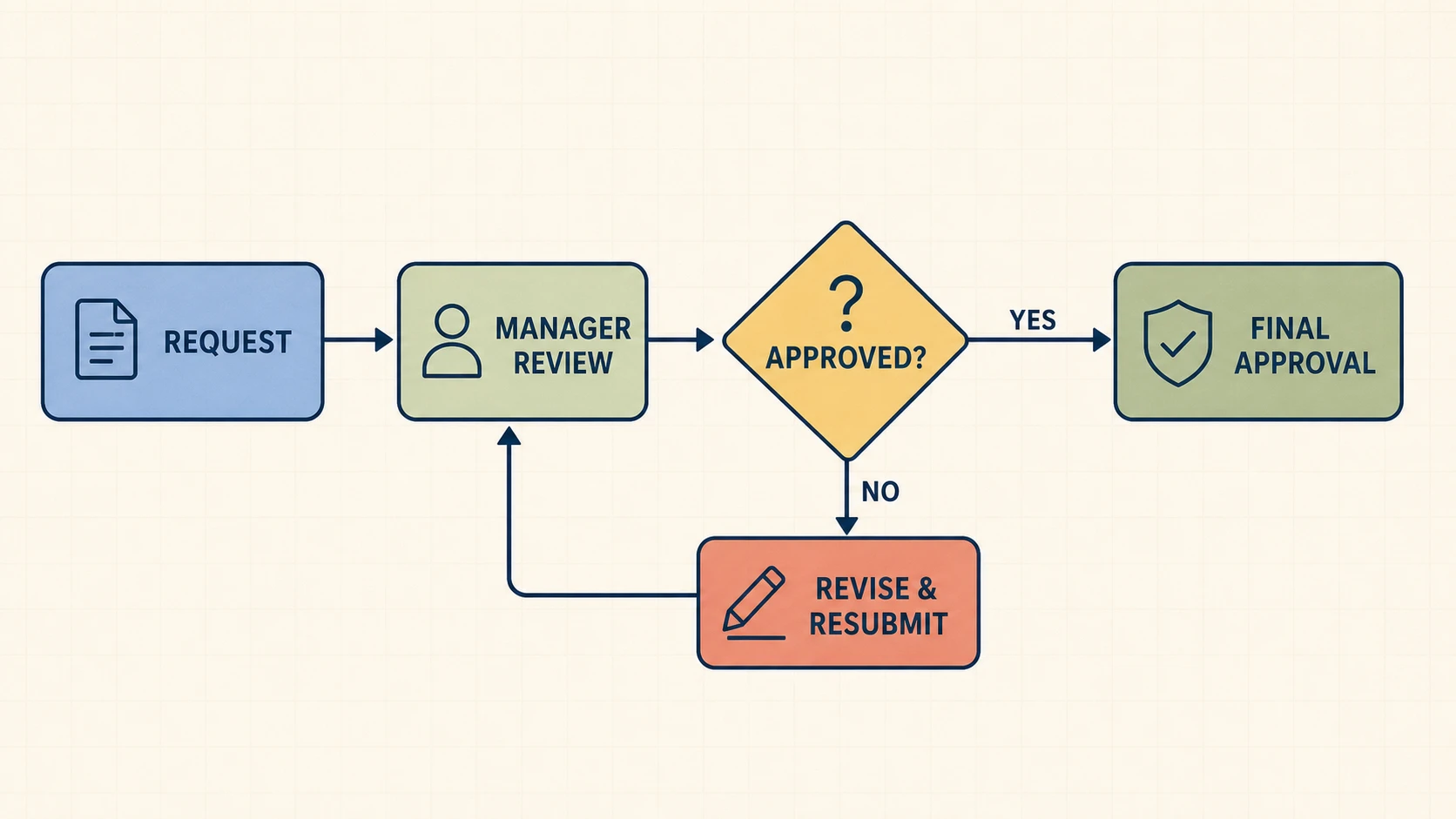
Turn a process description into an editable flowchart with explicit decisions, branches, loops, and connectors.
Answers about variables, theoretical frameworks, mediation, qualitative studies, editing, cost, and academic use
Describe the variables, theory, and expected relationships, generate a focused draft, and refine every label and hypothesis path in FigEditor.
Cancel anytime · Subscription credits are valid for 30 days
For individual researchers creating and refining publication-ready visuals
Included tools & models
Creation tools
 Paper Banana
 AI Scientific Illustration
 Scientific Poster Maker
Image models
 Nano Banana
 Nano Banana 2
 Nano Banana Pro
 GPT Image 2
For frequent research, publishing, and client work with commercial use
Included tools & models
Creation tools
Paper BananaAI Scientific IllustrationScientific Poster MakerImage models
Nano BananaNano Banana 2Nano Banana ProGPT Image 2For labs, teams, and agencies producing scientific visuals at high volume
Included tools & models
Creation tools
Paper BananaAI Scientific IllustrationScientific Poster MakerImage models
Nano BananaNano Banana 2Nano Banana ProGPT Image 2